
When sourcing LED displays, most buyers focus entirely on the LED chip brand or pixel pitch. However, there is a hidden industry secret: the ultimate lifespan, stability, and color consistency of an LED display are largely determined by two microscopic components inside the lamp bead—the bonding wire and the lead frame bracket.
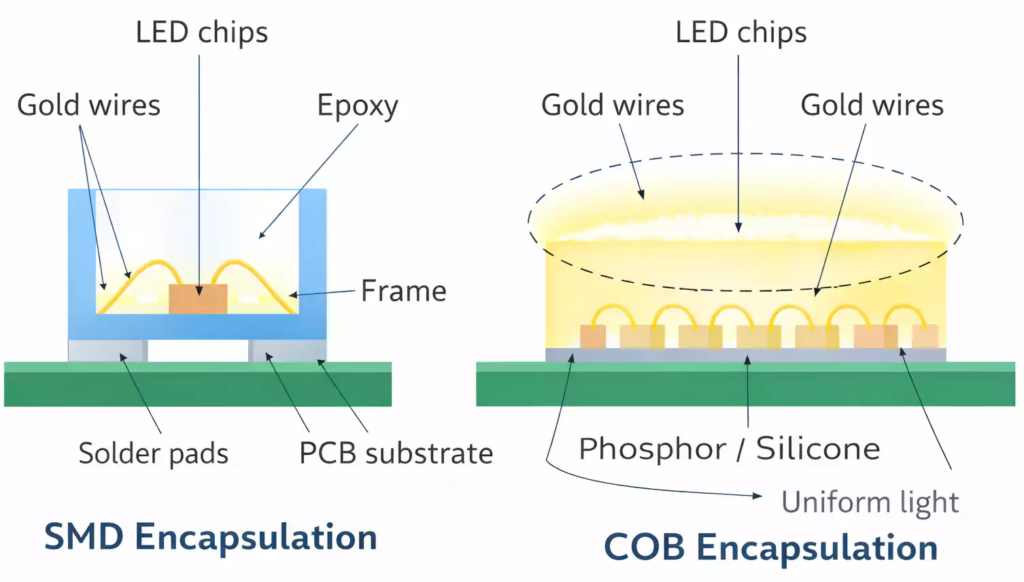
In this technical deep dive, we will unpack the materials used in LED encapsulation, explain why the combination matters, and reveal the manufacturing standard we strictly adhere to at TENLED.
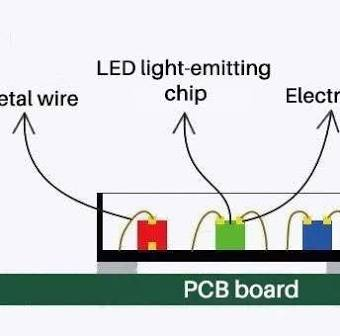
The Anatomy of an LED Lamp Bead
Inside every single LED lamp bead, the tiny semiconductor chip must connect to the outside world to receive power and dissipate heat. This requires two critical elements:
- The Bonding Wire (Internal): A microscopic wire that connects the LED chip to the lead frame, serving as the electrical highway.
- The Bracket / Lead Frame (External): The structural base that holds the chip, provides electrical terminals, and acts as the primary thermal highway to escape heat.
If either of these components is made from sub-par materials, the LED will suffer from rapid light decay (dimming), color shifting, or outright failure (dead lamps).
  +-----------------------------------+

  |          Epoxy / Silicone         |
  |                                   |
  |     +---------+                   |
  |     | LED Chip|                   |
  |     +----+----+                   |
  |          |                        |
  |          | <--- Bonding Wire      |
  |          |      (Gold, Silver,    |
  |          v       or Copper)       |
  |   +--------------+                |
  |   | Lead Frame   | <--- Bracket   |
  |   |              |      (Copper   |
  |   +--------------+       or Iron) |
  +-----------------------------------+
Part 1: The Internal Bonding Wire (Gold vs. Silver vs. Copper)
Many buyers are surprised to learn that precious metals like gold and silver are widely used inside LEDs. Here is how they compare:
- Gold Wire (Au): The gold standard of encapsulation. It possesses unmatched electrical conductivity, zero oxidation risk, and incredible ductility. It can withstand extreme thermal expansion and contraction without breaking. However, its cost is prohibitively high, making it exclusive to aerospace, military, or ultra-high-end fine-pitch displays.
- Silver Wire (Ag): Silver actually has higher conductivity than gold. However, it reacts heavily with sulfur and moisture in the air (silver sulfidation), causing the wire to turn black and break. High-silver alloy wires are sometimes used, but they carry distinct environmental risks.
- Copper Wire (Cu): The ultimate champion of price-to-performance. Copper boasts 97% of the electrical conductivity of gold at a fraction of the cost. The catch? Copper oxidizes rapidly during manufacturing. It requires state-of-the-art encapsulation facilities utilizing inert gas protection (like nitrogen) to weld correctly.
- Alloy Wires: Often a blend of cheap copper and aluminum. They are cheap but have lower tensile strength and higher resistance, leading to premature burnout under high loads.
Part 2: The External Bracket (Copper vs. Iron)
While the wire handles electricity, the bracket handles heat. LEDs generate significant heat; if that heat cannot escape, the chip literally cooks itself.
- Copper Brackets (Cu): Typically made of red copper or brass coated with silver. Copper has an exceptional thermal conductivity rating of over 380 W/(m·K). It draws heat away from the chip instantly. Furthermore, copper is highly ductile, meaning the pins can be bent during installation without snapping.
- Iron Brackets (Fe): A low-cost alternative with devastating consequences. Iron’s thermal conductivity is roughly one-fifth (1/5) of copper’s. Heat gets trapped inside the lamp bead, accelerating chip degradation. Iron brackets also rust easily when exposed to humidity, leading to loose solder joints and dead pixels within months.
Material Combinations: A Quick Reference Guide
| Configuration | Thermal & Electrical Performance | Lifespan & Light Decay | Typical Use Case |
|---|---|---|---|
| Gold Wire + Copper Bracket | Exceptional (Top-Tier) | Extremely Long / Minimal Decay | Luxury commercial displays, critical control rooms |
| Copper Wire + Copper Bracket | Excellent (The Sweet Spot) | Long & Stable / Slow Decay | Reliable mid-to-high-end commercial LED screens |
| Alloy Wire + Copper Bracket | Fair | Average | Budget-conscious projects prioritizing upfront savings |
| Copper Wire + Iron Bracket | Poor (Traps Heat) | High risk of rapid dimming & failure | Low-end wholesale components, disposable lighting |
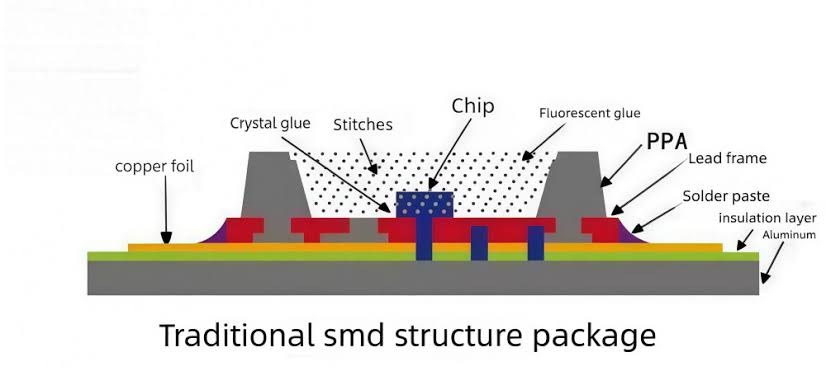
The TENLED Commitment: Why We Use Copper Wire & Copper Brackets Only
At TENLED, we believe that a display screen is an investment meant to last years, not months. We refuse to participate in the “race to the bottom” by slashing component quality just to hit a lower sticker price.
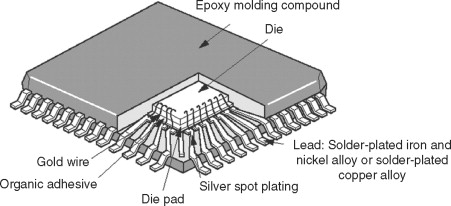
For our core product lines, TENLED strictly utilizes the [Copper Wire + Copper Bracket] configuration.
By pairing highly conductive copper bonding wires with high-thermal-efficiency copper brackets, our LED modules deliver:
- Sustained Brightness: Exceptional heat dissipation means our screens maintain their vivid punch years down the road without rapid light fading.
- Engineered Reliability: We partner with premier encapsulators who deploy advanced automated nitrogen-purged welding, eliminating the oxidation risks associated with copper wire processing.
- Zero Compromise: No iron rust, no cheap alloy degradation, and no unexpected maintenance headaches for your engineering teams.
When choosing your next LED display partner, look past the outer casing. Ask what is inside the bead. At TENLED, the answer is always pure, reliable copper.
Contact our team today to get a quote or request technical datasheets for your upcoming projects!