
In recent years, XR projects have become increasingly popular, and XR LED displays are being used more and more widely in virtual shooting scenarios. So how much do you know about XR and XR displays? Today, Tenled will take you on an in-depth exploration.
What is XR?
Extended Reality (XR) is a collective term encompassing immersive technologies, including Virtual Reality (VR), Augmented Reality (AR), and Mixed Reality (MR). XR enhances the user experience by merging the physical and digital worlds, enabling interactive and engaging environments. VR immerses users in a completely virtual space, while AR overlays digital content onto the real world. MR combines the two, enabling real and virtual objects to interact in real time. XR is increasingly being used across various industries, including gaming, education, healthcare, and entertainment, changing the way we interact with digital content and revolutionizing user experiences.
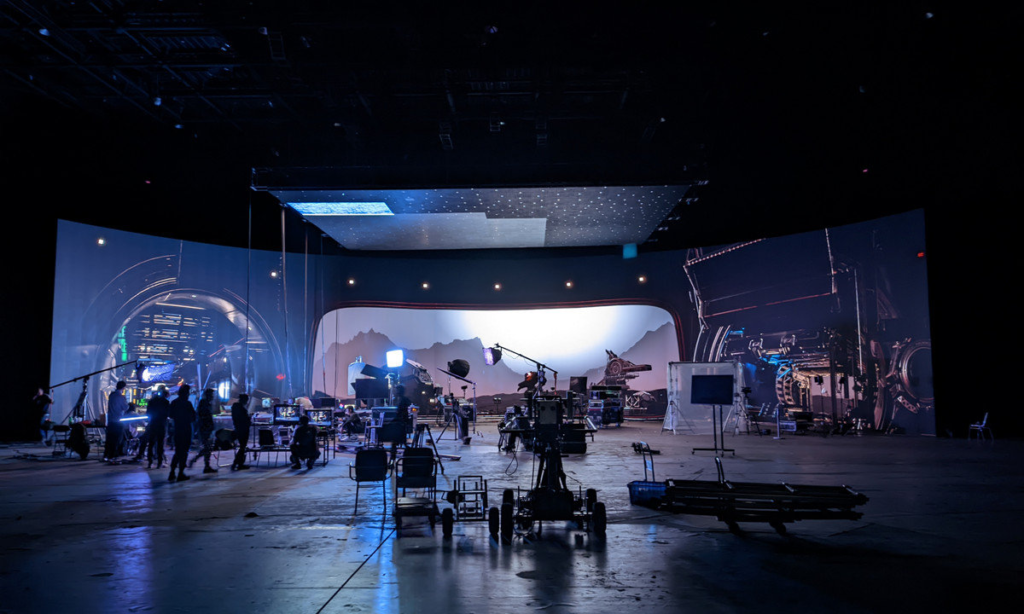
What is an XR LED Display?
An XR LED display is a cutting-edge technology that combines Extended Reality (XR) with a high-quality LED screen to create an immersive visual experience. XR encompasses Virtual Reality (VR), Augmented Reality (AR), and Mixed Reality (MR), enabling users to interact with digital content in a variety of ways. XR LED displays, as the medium for these experiences, offer vibrant colors, high resolution, and a seamless integration of virtual elements with the real world.
These displays are commonly used in a variety of applications, including live events, concerts, theatrical productions, and corporate presentations. They allow creators to present dynamic visuals, engaging audiences and enhancing storytelling. By merging real and virtual elements, XR LED displays create an environment where users can experience interactive content, making them ideal for training simulations, gaming, and educational purposes.
Furthermore, the versatility of XR LED displays allows for customization in size and shape, suitable for small installations and large venues. As XR technology continues to advance, these displays play a crucial role in shaping the future of interactive experiences, translating imagination and creativity into reality in unprecedented ways.
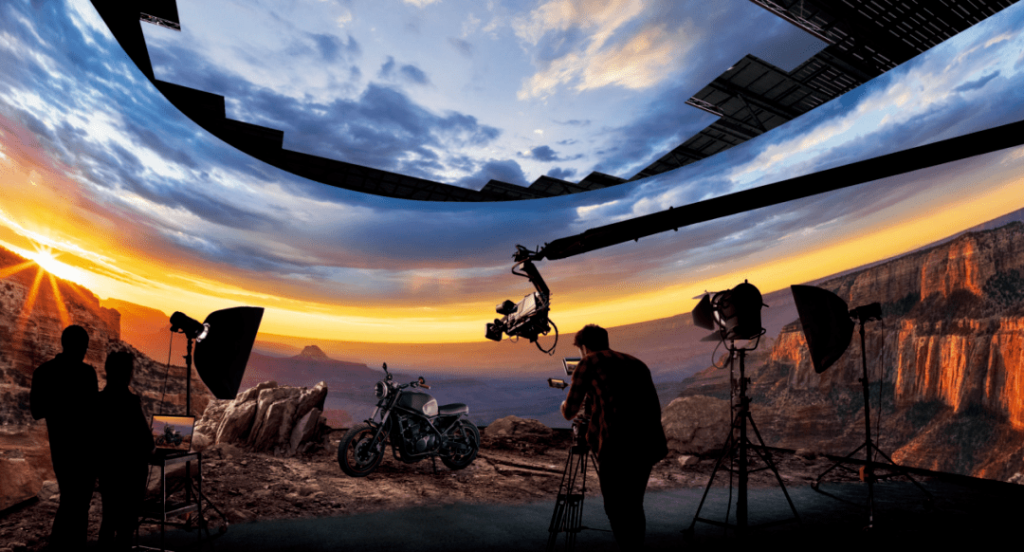
What is the difference between LED display Virtual Reality (VR) technology and green screen technology?
Both LED display Virtual Reality (VR) and green screen technologies are used to create immersive visual experiences, but they work differently.
LED display VR utilizes high-resolution LED screens to create immersive environments, allowing users to experience 3D visual effects in real time. This technology creates vivid, interactive scenes that respond to user movements, enhancing engagement and realism. The VR headset worn by the user tracks their position and movements within this LED-lit environment.

In contrast, green screen technology, also known as chroma keying, involves filming subjects against a solid green background. The green areas are then digitally removed, allowing for the insertion of a digital background in post-production. While green screen technology is highly effective in creating composite images, it lacks the real-time interactivity and depth offered by LED VR.
Overall, VR LED displays provide a more immersive and dynamic experience, while green screen technology, primarily used in film and video production, offers the flexibility to blend live-action with digital elements.